
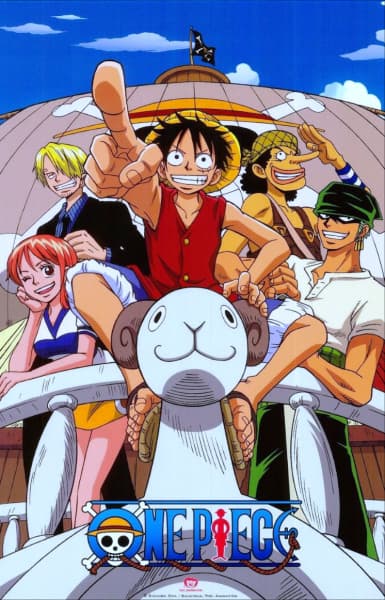
 One Piece
Aug 1, 2026 · 8 min
Why “Found Family” Stories Hit So Hard in Anime
An original essay on how anime builds emotional bonds between strangers — and why that craft matters more than spectacle.
The emotional shortcut that isn’t cheap
Found-family storytelling works because it dramatizes belonging. Characters begin alone, rejected, or rootless, then slowly invent a home through shared risk. The best anime versions avoid easy speeches. They show trust through food, training, quiet chores, and the decision to stay when leaving would be safer.
Structure behind the feeling
A strong found-family arc usually moves through three beats: isolation, reluctant alliance, and mutual responsibility. Spectacle can decorate those beats, but the spine is relationship change. When audiences cry, they are often responding to that spine — not only to a final battle pose.
Why it travels across cultures
Belonging is a universal hunger. Arabic, English, and Japanese audiences can recognize the pattern even when settings differ: a pirate crew, a classroom club, a hunter team, a traveling theater troupe. ClashAnime highlights this craft in essays so fans can discuss stories without needing pirated streams.
How to watch with a critic’s eye
Ask three questions: Who is lonely at the start? What shared cost creates trust? What does the group protect that an individual could not? Those questions turn passive viewing into active reading — and they work whether you watch legally on a licensed service or revisit memories of older seasons.